
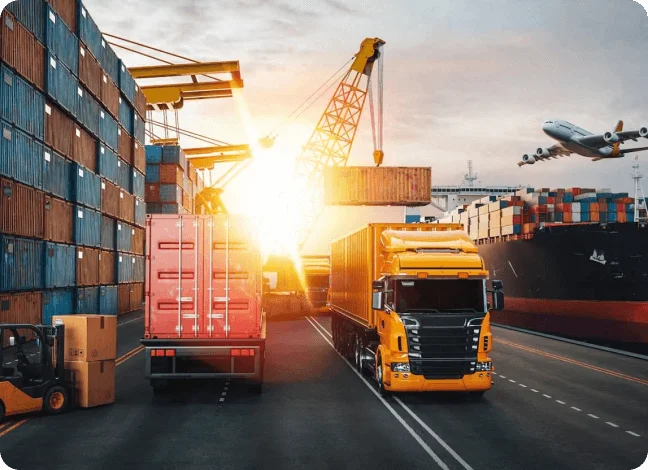
For global buyers looking to import goods from India, navigating the complex regulatory, supply chain, and quality compliance landscape can be challenging. Indian merchant exporters play a pivotal role in bridging this gap by acting as a single, comprehensive point of contact for sourcing, quality control, packaging, export documentation, and global shipping.
Key Takeaways from this Insight
- Single Window Sourcing: Consolidate multiple products from different manufacturers into a single container/shipment.
- Quality Assurance: Strict pre-shipment inspection at the manufacturing units and cargo warehouses.
- Hassle-Free Compliance: Complete processing of custom filings, licenses, and certificates of origin.
- Cost Efficiency: Better local negotiation rates and optimized logistics routes to reduce freight costs.
What is a Merchant Exporter?
A merchant exporter is an enterprise engaged in export trade that does not own manufacturing facilities but instead sources high-quality goods from local manufacturers and processes their export directly. In India, merchant exporters are crucial, accounting for a significant share of agricultural, textile, and engineering exports. By partnering with a merchant exporter like Transtake AquaGlobal, international buyers gain access to a curated network of reliable manufacturers across different states, all managed under one commercial contract.
Key Benefits of Working with a Merchant Exporter
1. Product Consolidation: Instead of placing separate orders with spices suppliers in Kerala, onion suppliers in Maharashtra, and superfoods producers in Karnataka, you place a single consolidated order. We handle internal state transit and stuff everything safely in one container.2. Quality Control & Standardization: Local manufacturers often vary in packing quality and moisture tolerances. A merchant exporter sets standardized criteria, visits the production floors, and rejects any batches that fail to meet international standards.3. Trade Documentation expertise: The Indian customs process requires shipping bills, certificates of origin, phytosanitary certificates, APEDA/Spice Board approvals, and specific bank routing codes. Merchant exporters manage these end-to-end, preventing shipping delays.
The Step-by-Step Merchant Export Process
Step 1 – Buyer specifies requirements, target price & certifications required (FSSAI / ISO / Organic / Halal etc.)
Step 2 – MerchantExporter scouted & audited reliable manufacturing facility
Step 3- Manufacturing process started with supervised inspections
Step 4 – Goods got packed using seaworthy & moisture barrier material & moved to Port Of Exit (JNPT Mumbai)
Step5 – Goods went through Indian Custom & loaded on Vessel as per agreed Incoterms (FOB/CIF)
Frequently Asked Questions
Q. How does consolidated shipping save costs?
The consolidated shipping service will allow you to combine all of these smaller shipments from various local suppliers together into either one Less than Container Load (LCL) shipment or even possibly one Full Container Load (FCL), which will help save costs on your ocean freight, customs clearances and port handling charges when arriving at the destination port.
Q. Can merchant exporters handle private labeling and custom packaging?
Yes! We coordinate with our local manufacturer to do all these things for you. Yes! We coordinate with our local manufacturer to do all these things for you.
Q. What payment terms are standard in Indian merchant export?
We usually offer Irrevocable Letter of Credit(L/C) at sight. Or T/T with 30% advance deposit and balance amount will be paid after scanning bill of lading(B/L).